In today's digital world, having access to the right technology is essential, whether for personal projects, professional tasks, or large-scale events. For many individuals and businesses, purchasing computers outright can be a significant financial burden. This is where computer rental comes into play. Renting computers provides a flexible, cost-effective solution that allows users to access high-quality equipment without the hefty price tag associated with ownership. In this article, we will explore how to rent computers for both business and personal use, along with the benefits and considerations involved in the rental process.

Understanding Computer Rental
Computer rental refers to the practice of leasing computers and related equipment for a specified period, rather than purchasing them outright. This rental arrangement can vary in duration, typically ranging from a few days to several months or even years, depending on the needs of the user. Renting computers can be particularly advantageous for businesses that require temporary solutions for projects or events, as well as for individuals who may need high-performance devices for specific tasks.
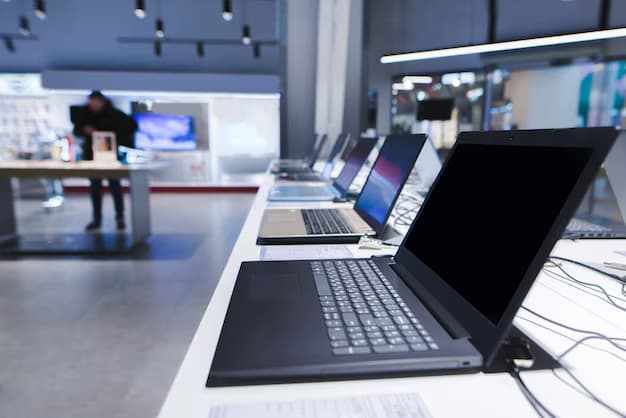
Rental companies often offer a wide range of equipment, including desktops, laptops, monitors, and peripheral devices. This variety allows users to select the right technology tailored to their specific requirements, whether they are planning a corporate presentation, hosting a large event, or simply need a temporary device for personal use.
Benefits of Renting Computers
Cost-Effectiveness
One of the most significant advantages of computer rental is its cost-effectiveness. For individuals and businesses that may not have the budget to purchase new equipment, renting offers a financially viable alternative. The upfront costs associated with buying computers can be substantial, especially when high-performance models are required. By renting, users can gain access to the technology they need without incurring a large initial investment.
Additionally, rental agreements typically involve fixed monthly payments, allowing for better budget management and financial planning. This predictability is essential for businesses that need to allocate resources effectively.
Flexibility and Scalability
Renting computers provides unparalleled flexibility, which is particularly beneficial for businesses that may experience fluctuations in technology needs. For instance, a company may require additional computers for a short-term project, such as a conference or trade show. Renting allows businesses to quickly scale their technology resources up or down based on current demands without the financial strain of purchasing equipment.
For individuals, renting can also be advantageous when needing a specific device for a limited time, such as a powerful laptop for a work project or a gaming rig for a weekend event. The ability to select the rental duration that best fits the user's needs makes computer rental an appealing option.
Access to the Latest Technology
In an industry characterized by rapid technological advancements, staying up-to-date with the latest equipment is crucial. Renting computers allows users to access cutting-edge technology without the financial burden of ownership. Most rental companies offer a range of modern devices equipped with the latest hardware and software, ensuring that users benefit from improved performance, enhanced security features, and updated applications.
This access to the latest technology can significantly impact productivity and efficiency, as users can utilize the best tools available to complete their tasks.
Maintenance and Support
When renting computers, users often benefit from included maintenance and support services. Many rental companies provide technical assistance, warranty coverage, and routine maintenance as part of the rental agreement. This support can be invaluable, particularly for businesses that may not have dedicated IT staff.
With rental arrangements, users can focus on their core activities without worrying about equipment malfunctions or technical issues. If a problem arises, the rental company typically handles repairs and replacements, minimizing downtime and ensuring that users can continue their work without interruption.
Steps to Rent Computers
Assess Your Needs
Before renting computers, it's essential to assess your specific requirements. Consider the following questions:
What type of equipment do you need? Determine whether you require desktops, laptops, or additional peripherals such as monitors, printers, or projectors.
How many devices do you need? Evaluate the number of computers required for your project or event, and consider whether additional equipment is necessary.
What is the rental duration? Define how long you will need the equipment. Rental companies typically offer flexible terms, so consider whether you need the devices for a few days, weeks, or months.
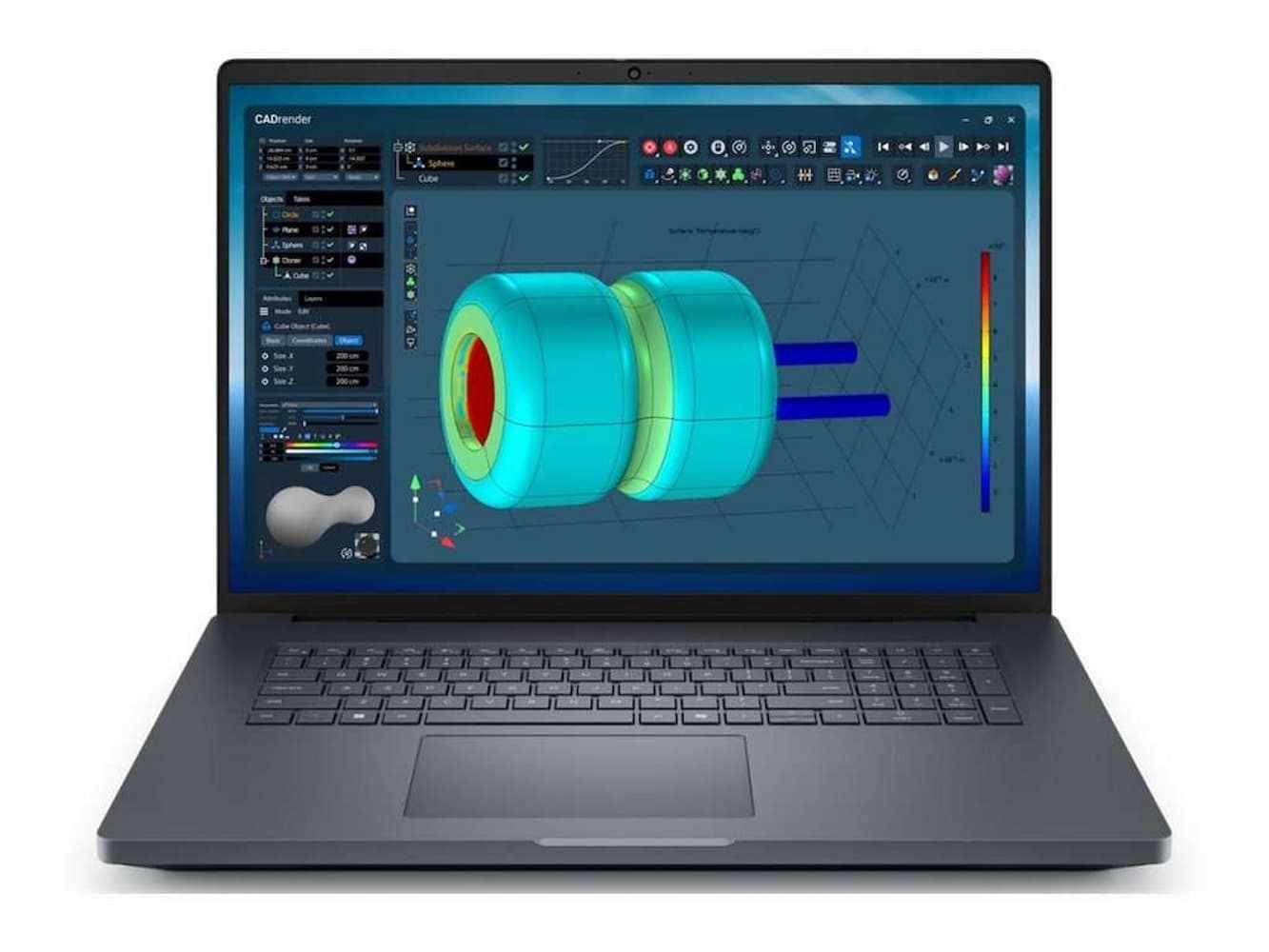
What specifications are required? Identify the performance specifications needed for your tasks. For instance, if you require computers for graphic design or video editing, you may need devices with advanced processing power and graphics capabilities.
Research Rental Companies
Once you have a clear understanding of your needs, the next step is to research computer rental companies. Look for reputable providers that offer a wide range of equipment and flexible rental terms. Consider the following factors when evaluating rental companies:
Reputation: Read reviews and testimonials from previous customers to assess the company's reliability and quality of service.
Equipment Variety: Ensure the rental company offers the specific types of computers and peripherals you require.
Support Services: Inquire about the maintenance and technical support options available. A good rental company should provide assistance throughout the rental period.
Pricing and Terms: Compare pricing and rental terms from multiple providers to find the best deal. Pay attention to any additional fees, such as delivery charges or insurance.
Request Quotes and Proposals
Once you have identified potential rental companies, reach out to them to request quotes and proposals. Provide detailed information about your requirements, including the type of equipment, rental duration, and any specific specifications needed. A reputable rental company will respond with a personalized proposal that outlines the costs and terms of the rental agreement.
Review the Rental Agreement
Before finalizing the rental, carefully review the terms of the agreement. Pay attention to the following aspects:
Rental Duration: Ensure that the rental period aligns with your needs.
Payment Terms: Review the payment schedule and any deposit requirements.
Maintenance and Support: Understand what support services are included in the rental agreement and how to access assistance if needed.
Return Conditions: Familiarize yourself with the conditions for returning the equipment and any potential charges for damage or late returns.
Finalize the Rental
Once you are satisfied with the rental agreement, finalize the rental by signing the contract and making any necessary payments. Schedule the delivery of the equipment, ensuring that you receive it in time for your project or event.
Considerations When Renting Computers
Insurance and Liability
When renting computers, it's essential to understand the insurance and liability terms outlined in the rental agreement. Many rental companies offer insurance options to protect against potential damage or loss of the equipment. Consider whether you wish to purchase insurance and review the coverage details.
Equipment Condition
Before accepting the rented equipment, inspect it for any signs of damage or wear. Document any pre-existing issues to avoid being held responsible for them upon return. Ensuring that the equipment is in good working condition will help prevent misunderstandings later on.
Return Process
Familiarize yourself with the return process well before the end of the rental period. Ensure you understand the procedures for returning the equipment and any deadlines that must be met. Some rental companies may offer pick-up services, while others may require you to return the equipment to their location.
Conclusion
In conclusion, renting computers through computer rental services provides a flexible and cost-effective solution for both business and personal needs. With benefits such as reduced upfront costs, access to the latest technology, and included maintenance and support, computer rental can significantly enhance productivity and efficiency. By assessing your needs, researching reputable rental companies, and carefully reviewing rental agreements, you can make informed decisions that align with your requirements.
If you're ready to explore how computer rental can meet your technology needs, consider reaching out to Geex today. Our team is here to help you find the perfect rental solutions tailored to your specific requirements. Contact us now and discover how easy it is to access the technology you need without the hassle of ownership!










Write a comment ...